What Actually Happens at a Three-Day Cleansing Therapy Camp
Two nights, three days, and a night in the middle that nobody describes properly. Here is what a camp is actually like, including the parts that are uncomfortable.

On this page
Quick answer
A Cleansing Therapy camp runs over two nights and three days at a residential venue. The first day is arrival, a consultation with a Certified Therapy Practitioner and a light diet. The second is the cleanse itself — last food at around two in the afternoon, Epsom salt doses through the evening, olive oil and citrus juice at ten, and a deliberately broken night. The third is re-entry with juice and light food, plus guidance for the weeks afterwards. Practitioners are present throughout and the materials are included.
Key takeaways
- Two nights and three days, residential, with practitioners present the whole time.
- Day one is a consultation and a light diet — nothing demanding.
- The cleanse night is uncomfortable and your sleep will be broken. Plan for that.
- Materials are included, so there is no question of what you were sold.
- The third day matters most: how you come out of it shapes the following weeks.
- It is a wellness practice, not medical treatment, and not everyone should attend.
People ask us two questions about camps. The first is what happens. The second, usually more quietly, is whether it is going to be awful.
Here is an honest answer to both, in order, because the version you will find on most brochures skips the middle night entirely — and the middle night is the thing you are actually asking about.
Before you arrive
A week or so before, you will be asked to ease off. Less fried food, less alcohol, more water, and if you can manage it, earlier nights. This is not a rule anyone polices, but people who do it have an easier time of it, and people who arrive after a heavy week tend to feel worse on the cleanse night. Your body is going to be asked to deal with a lot of oil in one sitting; giving it a settled week beforehand is simply kind.
Bring your regular medicines and a written list of them. Bring loose clothes. Do not bring snacks.
Day one: arrival and the consultation
Camps are residential, usually at a hotel or resort with some grounds to walk in, and they run from a Friday evening or Saturday morning depending on the location.
The first thing that happens after you have put your bag down is a consultation. A Certified Therapy Practitioner goes through your history — what you take, what you have been diagnosed with, how you sleep, how your digestion has been, what brought you. This is not a formality. It is the point at which somebody may tell you that this is not the right time for you, and occasionally somebody is told exactly that. If you have a kidney condition, are on insulin, or are pregnant, you should have raised it long before this, but this is the backstop.
The rest of day one is light. A simple diet, no heavy food, a talk about what the protocol is and why the steps are in the order they are, and an early night. People tend to be quiet on the first evening and much less so by the third day.
Day two: the cleanse
This is the day everything is arranged around, and it is worth knowing the shape of it.
Morning. A light breakfast and a light lunch, both simple. You will probably walk, sit in on a session, and spend a certain amount of time watching the clock.
Two in the afternoon. Last food. From here until the following morning, nothing solid. This is the point people dread and it is almost always easier than expected — hunger tends to rise, peak somewhere around five, and then fade.
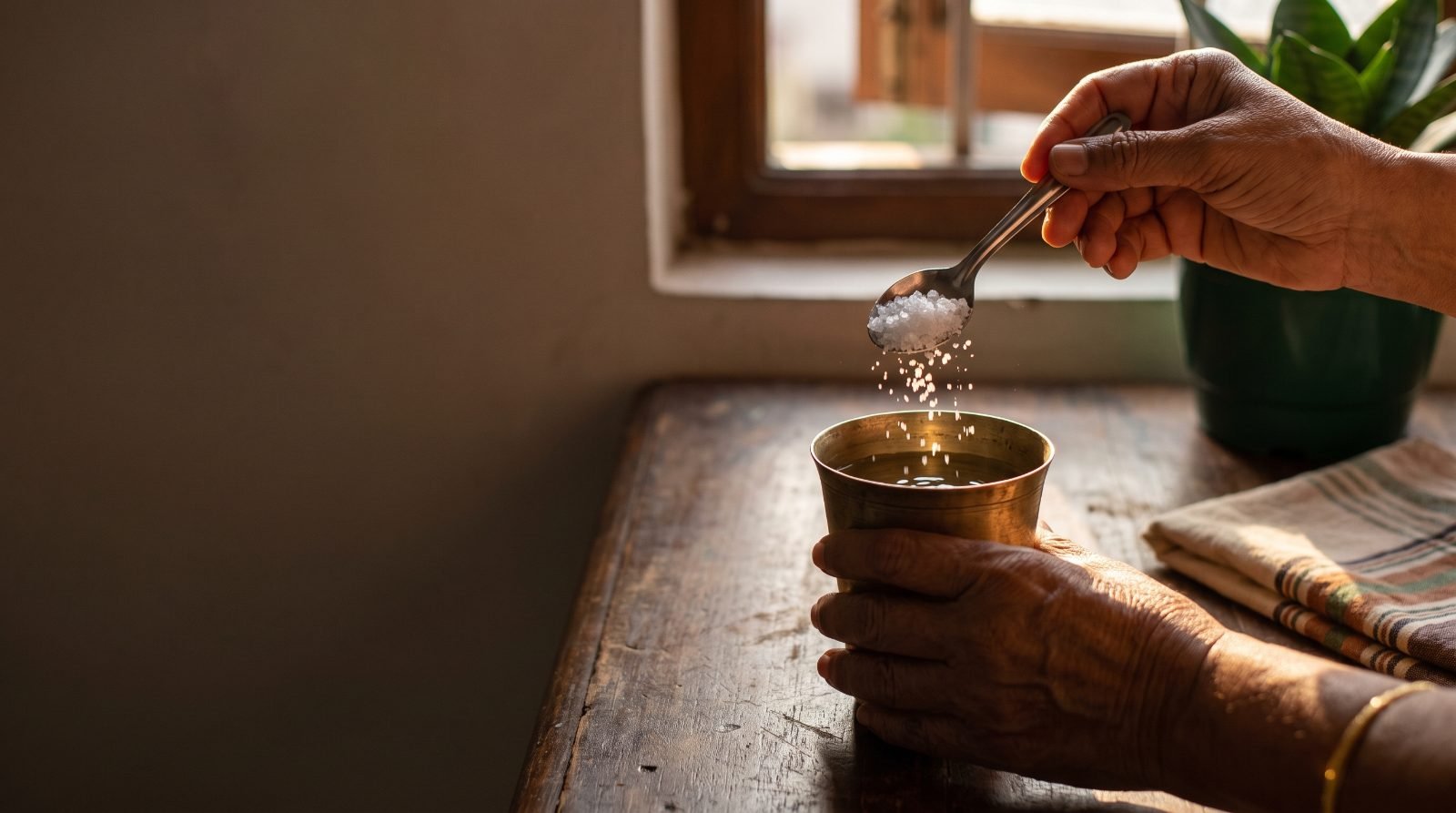
Six in the evening. The first Epsom salt dose. Chilled, in water, drunk in one go. It is bitter and there is no getting around that. Somewhere between forty minutes and two hours later, your bowels will begin to move, and they will keep doing so. This surprises first-timers more than anything else — the volume is considerable, and it is mostly water being drawn out of you.
Eight in the evening. The second dose. By now you know what is coming, which somehow makes it both easier and worse.
Quarter to ten. You measure out the olive oil and squeeze the citrus juice, and mix them properly. Doing this yourself matters more than it sounds — you see exactly what you are about to drink and exactly how much.
Ten in the evening. The oil and juice, drunk straight down, and then you lie on your right side and stay there for half an hour. This is the part people find hardest. It is a lot of oil. Some people feel queasy; a few are sick. Practitioners are in the corridors for this reason, and if you are struggling you say so.
Through the night. Broken sleep, and more bowel movements. Nobody sleeps through this. It is one night, and it ends.
Six, eight and ten the next morning. Further Epsom salt doses, and a second smaller oil-and-juice dose at eight. By ten most people are hollowed out, slightly wobbly, and oddly cheerful.
Eleven. It is over. You start with fruit juice, wait half an hour, then eat something light.
Day three: coming out of it
This is the day that gets least attention and probably matters most.
Food is reintroduced gently — juice first, then fruit, then something simple and cooked. People eat slowly and talk a great deal. There is usually a session about what to do with the following weeks: what to eat, how to sleep, what to keep from the reset you have just done.
That last part is the actual value, and it is worth being blunt about it. The reason people feel better in the weeks after a camp is rarely mysterious. They have spent three days off alcohol and fried food, walked every day, slept early on two of three nights, drunk a great deal of water, and talked to somebody about their habits. Then they go home and — for a while — keep some of it. Whatever you believe about the mechanism of the cleanse itself, that pattern is not nothing.
What a camp gives you that home does not
Somebody awake. If you feel wrong at two in the morning, there is an experienced person in the corridor rather than a search engine.
No question about materials. The oil and salt are provided, sealed. You are not wondering what you were sold.
The group. Most people say this is the surprise. Doing something slightly odd next to twenty other people doing the same thing removes almost all of the self-consciousness, and the third-day conversations are the bit people describe afterwards.
Someone to say no. A camp has a consultation, and consultations sometimes end with "not this time".
Who should not come
The same list as anywhere else, and we would rather you read it before you book than find out at the consultation. Pregnancy, kidney conditions, diagnosed gallstones, diabetes managed with insulin, heart rhythm disorders, any history of disordered eating, recent abdominal surgery, and anyone under eighteen. The full list and the reasoning behind each item is here.
And to be clear about what a camp is: it is a wellness practice in the naturopathy tradition. It is not medical treatment, it does not treat disease, and it is not a substitute for care you are receiving. If you are unwell, the camp is not the answer and your doctor is.
Is it going to be awful?
The night is uncomfortable. Everything either side of it is pleasant, and most people leave saying the discomfort was smaller than the anticipation.
If you would like the dates near you, they are here, or tell us your city and we will send them. If you would rather start at a therapy centre, one-to-one, that is also a perfectly good way in.
Medical note: This article is for general information and is not a substitute for advice from a qualified doctor. Cleansing Therapy is a naturopathy wellness practice, not a treatment for any disease. If you have a health condition, are pregnant or take regular medicines, talk to your doctor before attending a camp.
Frequently asked questions
How long is a camp and where are they held?
Two nights and three days, usually at a hotel or resort with grounds, most often over a weekend. Locations move around India through the year. Tell us your city and we will send the next dates near you.
Will I be hungry?
Less than you expect. The last food is at about two in the afternoon on the cleanse day, and by the time the evening doses begin most people find hunger has faded rather than grown. Boredom is more of a problem than hunger, which is part of why doing it alongside other people helps.
Will I sleep?
Not well, and that is expected. The oil dose is at ten, you lie on your right side, and the bowel movements begin in the early hours. Nobody sleeps through it. It is one night.
Can I go alone?
Most people do, and most say the group is the part that surprised them. You are doing something slightly strange alongside twenty other people doing the same thing, which turns out to make it much easier than doing it at home on your own.
What should I bring?
Loose comfortable clothes, whatever you would normally take for two nights, your regular medicines with a list of them, and a water bottle. Materials for the cleanse are provided. Do not bring snacks — you will not want them and they make the day harder.
What if I feel unwell during the night?
There are practitioners on site through the night and you tell them. That is the main practical argument for a camp over doing it at home for the first time: someone experienced is awake and available.
Sources
- Magnesium: Fact Sheet for Health Professionals — NIH Office of Dietary Supplements
- Fasting and metabolic health — overview — British Nutrition Foundation
We cite peer-reviewed research, government health bodies and the providers’ own published information. Found an error? Tell us and we’ll review it.