Detox Myths vs Facts: 10 Common Claims Checked Against the Evidence
Do detox teas, foot pads, juice cleanses or liver flushes work? We check 10 popular detox claims against the evidence and share what to do instead for your liver, kidneys and gut.
On this page
Quick answer
Most popular detox claims are not supported by good evidence. Your liver, kidneys, gut, lungs and skin already remove waste, and sweat, foot pads, charcoal and detox teas do not meaningfully add to this. Colon cleanses and laxative teas carry real risks. A balanced diet, fluids, exercise, sleep and health check-ups help most.
Key takeaways
- The liver, kidneys, gut, lungs, skin and immune system are your body's built-in detox system.
- No randomised controlled trials support commercial detox diets, and weight lost on them usually returns.
- Sweat, foot pads, lemon water and activated charcoal do not meaningfully remove toxins.
- Colon cleanses and laxative detox teas can cause dehydration, electrolyte imbalance and worse.
- Liver-flush 'stones' were reported in The Lancet to be soap-like material, not gallstones.
- Fibre, curd, water, movement, sleep, less alcohol and regular check-ups are the evidence-backed basics.
Detox is one of India's busiest wellness words, stamped on teas, juices, foot pads and weekend packages. But which claims hold up? This article checks 10 common detox claims against the evidence and gives you a simple, safer alternative for each.
(In Hindi, people often search for this as डिटॉक्स क्या है.)
Detox claims at a glance
Most popular detox claims are not supported by good evidence, though a few related habits are genuinely useful. Here is the quick summary.
| Claim | Verdict | Better approach |
|---|---|---|
| 1. Sweating removes toxins | Myth | Exercise for fitness; rehydrate |
| 2. Foot pads and ionic foot baths | No evidence | Skip them |
| 3. Lemon water cleans the liver | Myth, but harmless | Enjoy it as a way to drink water |
| 4. Detox teas | Myth; may contain laxatives | Normal teas; fibre and water |
| 5. Juice cleanses | No trials; some risks | Whole fruit and vegetables |
| 6. Colon cleanses | No evidence; real risks | Fibre, curd, water, movement |
| 7. Activated charcoal | Only for poisoning, in hospital | Skip for daily use |
| 8. Toxins cause weight gain | Myth | Sustainable eating and activity |
| 9. Liver flushes pass gallstones | Not supported | Medical advice for gallstones |
| 10. Fasting burns toxins | Myth; fasting has other effects | Gentle, hydrated fasts if suitable |
What is detox, really?
In medicine, detox means supervised treatment for poisoning, or for alcohol or drug withdrawal. In wellness, it usually means diets, products or routines claimed to remove "toxins", a word that is rarely defined.
Your body already has a detox system: the liver, kidneys, gut, lungs, skin and immune system (Harvard Health). The kidneys alone filter about 150 quarts (roughly 142 litres) of blood a day (NIDDK). A 2015 review found that "no randomised controlled trials have been conducted to assess the effectiveness of commercial detox diets in humans" (Klein and Kiat, 2015). US regulators have also acted against detox products containing illegal or harmful ingredients (NCCIH).
For a wider look at what the term means across traditions, see our body cleansing guide.
What do 10 common detox claims actually show?
Each claim below is checked in three parts: the myth, what the evidence says, and what to do instead.
1. Sweating it out
Myth: Saunas, hot yoga or sweat suits flush toxins out through your skin.
What the evidence says: Sweat is mostly water and salt, used to cool you down. Harvard Health calls the skin "a one-way defense system" and says toxins are not removed through sweat in any meaningful way; the liver and kidneys do that job (Harvard Health).
What to do instead: Enjoy exercise for its real benefits, and replace lost fluids and salts, especially in Indian summers. Avoid long heat sessions if you have heart problems or low blood pressure.
2. Detox foot pads and ionic foot baths
Myth: The dark colour on a foot pad or in foot-bath water shows toxins being pulled out.
What the evidence says: Harvard Health says there is no evidence that ionic foot detox works (Harvard Health). The colour change has not been shown to come from toxins in your body.
What to do instead: Save the money. If your feet swell, feel numb or burn, see a doctor, as these can be signs of conditions that need checking.
3. Lemon water detoxes the liver
Myth: A glass of warm lemon water on an empty stomach cleans your liver every morning.
What the evidence says: Lemon water is a pleasant way to drink more water, and nimbu adds a little vitamin C. No good study shows it cleans the liver or burns fat.
What to do instead: Drink it if you like it; it is a fine habit. Rinse your mouth with plain water afterwards if you have sensitive teeth, as the acid can affect enamel over time.
4. Detox teas melt weight and toxins
Myth: A two-week detox tea resets your gut and flattens your stomach.
What the evidence says: Many detox teas contain laxatives, which can cause diarrhoea and dehydration; the quick weight loss is mostly water (NCCIH). Cleveland Clinic notes that US regulators have acted against cleanse products with illegal and potentially harmful ingredients, and that very high green tea intake has been linked to heart-rhythm problems, high blood pressure and liver injury (Cleveland Clinic).
What to do instead: Enjoy ordinary green tea, tulsi or ginger tea in normal amounts. For regular bowels, rely on fibre, water and movement, not laxatives.
5. Juice cleanses reset your body
Myth: Three days of only juice gives your digestive system a rest and removes toxins.
What the evidence says: There are no randomised trials showing commercial detox diets remove toxins (Klein and Kiat, 2015). Juice-only diets are low in protein and fibre, and unpasteurised juice carries a bacteria risk. High-oxalate green juices can harm kidneys: a 65-year-old developed acute kidney damage after a 10-day green smoothie cleanse (Am J Kidney Dis, 2018).
What to do instead: Eat whole fruit and vegetables, including the fibre. If you like juice, have a glass alongside a balanced meal.
6. Colon cleanses remove years of stuck waste
Myth: Old, hardened waste sticks to your colon walls and must be washed out with enemas or hydrotherapy.
What the evidence says: Harvard says the idea of waste coating the colon wall is wrong. Mayo Clinic finds "no evidence that colon cleansing offers these helpful effects" and lists risks including dehydration, electrolyte imbalance, infection, bleeding and bowel perforation; "coffee enemas have been linked to many deaths" (Mayo Clinic).
What to do instead: Support your bowel with dal, millets, vegetables, fruit, curd, water and daily walks. Any lasting change in bowel habits needs a doctor, not an enema.
7. Activated charcoal soaks up everyday toxins
Myth: Charcoal capsules, lemonades or face masks draw toxins out of your system.
What the evidence says: Activated charcoal is a real hospital treatment for some poisonings, given by professionals, but it is not clear that over-the-counter detox products do what they claim. It can cause black stools, vomiting or constipation, and may reduce absorption of medicines, including birth control pills (WebMD).
What to do instead: Skip charcoal for everyday use. If someone may have swallowed something poisonous, seek emergency care straight away.
8. Toxins cause weight gain
Myth: Stored toxins make you gain weight, so a detox will make you slim.
What the evidence says: NCCIH says there is "no compelling research" supporting detox diets for weight management or toxin removal. Any weight lost comes from eating fewer calories and usually returns once normal eating resumes (NCCIH).
What to do instead: Focus on changes you can keep: smaller portions of refined carbs and sugar, more vegetables and protein, regular sleep and at least 150 minutes of activity a week.
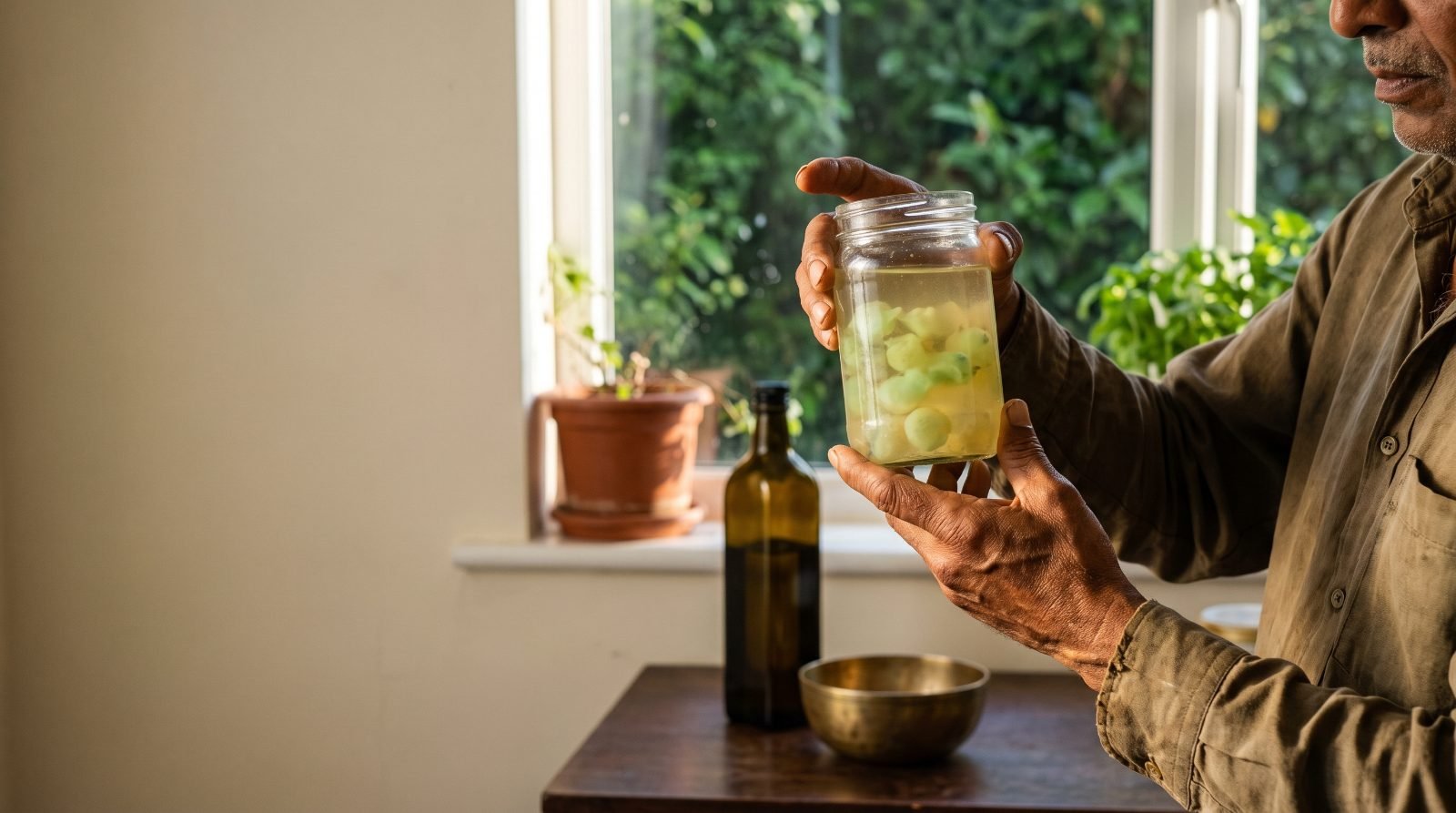
9. Liver flushes pass gallstones
Myth: After an olive oil and juice flush, the green "stones" in the toilet are gallstones leaving your body.
What the evidence says: There are no clinical trials showing liver flushes remove gallstones. In a 2005 Lancet letter, doctors reported that such "stones" were soap-like material formed in the gut from the oil and juice, not gallstones (Sies and Brooker, Lancet 2005).
What to do instead: If you have diagnosed gallstones, follow your doctor's advice. If you choose a flush-style routine such as Cleansing Therapy as a wellness practice, do it supervised and with medical clearance. Our Cleansing Therapy guide explains the evidence honestly.
10. Fasting is the ultimate detox
Myth: The longer you fast, the more toxins you burn off.
What the evidence says: Fasting is not a toxin-removal process. Long fasts or fluid-only diets can upset electrolytes (NCCIH). Time-restricted eating can help some people eat less, but in a year-long randomised trial in China it did not lead to significantly more weight loss than calorie restriction alone (Liu et al., NEJM 2022).
What to do instead: If you enjoy traditional fasts such as ekadashi or navratri, keep them gentle and well hydrated. People with diabetes on medication, pregnant women and anyone with an eating disorder should fast only with medical advice.
What actually helps your body's own detox system?
The habits with real evidence are ordinary ones: a balanced diet, enough fluids, exercise, sleep and recommended medical screening (Harvard Health).
- Build meals around vegetables, dal, whole grains and millets, with curd or chaas.
- Drink water through the day, more in heat and humidity.
- Walk, cycle, do yoga or play a sport for at least 150 minutes a week.
- Sleep seven to nine hours on a regular schedule.
- Limit alcohol and avoid tobacco in all forms.
- Get regular blood sugar, blood pressure, lipid, liver and kidney checks, especially if diabetes or heart disease runs in your family.
Organ-specific tips are in our guides to the liver and kidneys.
Tip: Before you buy a detox product, ask two questions: which toxin does it remove, and where is the human trial showing it does? If neither has an answer, keep your money.
See a doctor if: you have ongoing tiredness, yellow skin or eyes, dark urine, swelling in your ankles, a change in bowel habits lasting more than two weeks, blood in your stools, or unexplained weight loss. These need proper tests, not a detox. Also check with your doctor before any cleanse if you are pregnant, have diabetes, kidney, liver or heart disease, or take regular medicines.
The bottom line
Most detox claims, from foot pads to charcoal lemonade, are not backed by good evidence, and some, like colon cleanses and laxative teas, carry real risks. Your liver, kidneys and gut already do the work, and everyday habits help them most. If you want a structured wellness reset, choose one that is supervised and honest about its evidence, such as a Cleansing Therapy camp, and talk to your doctor first.
Medical note: This article is for general information and is not a substitute for advice from a qualified doctor. If you have a health condition, are pregnant or take regular medicines, talk to your doctor before starting any cleanse or diet change.
Frequently asked questions
What is detox?
In medicine, detox means supervised treatment for poisoning or for alcohol or drug withdrawal. In wellness, it usually refers to diets, drinks or products said to remove toxins, though the toxins are rarely named. Your liver, kidneys, gut, lungs, skin and immune system already handle this work, and there are no randomised trials showing commercial detox diets add to it.
Do detox teas work?
Detox teas do not have good evidence for removing toxins. Many contain laxatives, which can cause diarrhoea and dehydration, and the quick weight loss is mostly water that returns. Regulators have acted against some cleanse products with harmful ingredients, and very high green tea intake has been linked to heart-rhythm problems and liver injury. Ordinary teas in normal amounts are fine.
Can you sweat out toxins?
Not in any meaningful way. Sweat is mostly water and salt, and its main job is to cool you down. Harvard Health describes the skin as a one-way defence system and says toxins are not removed through sweat. The liver and kidneys do that job. Exercise is still excellent for health, but drink enough fluids afterwards, especially in hot weather.
Are juice cleanses healthy?
Juice cleanses are not proven to remove toxins, and any weight lost usually returns. They are low in protein and fibre, can cause blood sugar swings, and unpasteurised juice carries a bacteria risk. High-oxalate green juices have caused kidney damage in some people. Whole fruit and vegetables, eaten as part of balanced meals, are a better choice for most people.
Does activated charcoal detox your body?
Activated charcoal is used in hospitals for some types of poisoning, given by professionals, but it is not clear that over-the-counter detox products work. It can cause black stools, vomiting or constipation, and may reduce the absorption of medicines, including birth control pills. It is best avoided for everyday detox use. If poisoning is suspected, seek emergency care.
Do liver flushes really remove gallstones?
There are no clinical trials showing that liver flushes remove gallstones. In a 2005 letter to The Lancet, doctors reported that the 'stones' passed after an olive oil and juice flush were soap-like material formed in the gut, not gallstones. If you have gallstones, follow your doctor's advice, and do any flush-style wellness routine only with medical clearance.
Sources
- The dubious practice of detox — Harvard Health Publishing
- Detox diets for toxin elimination and weight management: a critical review of the evidence — Journal of Human Nutrition and Dietetics
- Detoxes and Cleanses: What You Need To Know — NCCIH
- Detox or Cleanse: What To Know Before You Start — Cleveland Clinic
- Colon cleansing: Is it helpful or harmful? — Mayo Clinic
- Activated Charcoal: Benefits, Uses and Risks — WebMD
- Could these be gallstones? — The Lancet
- "Green Smoothie Cleanse" Causing Acute Oxalate Nephropathy — American Journal of Kidney Diseases
- Calorie Restriction with or without Time-Restricted Eating in Weight Loss — New England Journal of Medicine
- Your Kidneys & How They Work — NIDDK
We cite peer-reviewed research, government health bodies and the providers’ own published information. Found an error? Tell us and we’ll review it.